

Filipino Martial Arts
Filipino Martial Arts (FMA), often called escrima or arnis, are a reflection of the history and violent realities of the Philippines. Escrima comes from the Spanish word esgrima (fencing) and arnis from arnes (harness, for battle). They are undeniably indigenous and yet the Spanish influences where they may be are likewise undeniable. Filipino Martial Arts come in many forms - today some of the most recognized are the stick-fighting arts, the “tactical” mixed combat systems, and various blade dueling arts. While many Visayan lineages, arts and systems are more visible today, Luzon has it’s own formidable bladecraft.
“That long and low, wide and wild Luzon way of arnis”
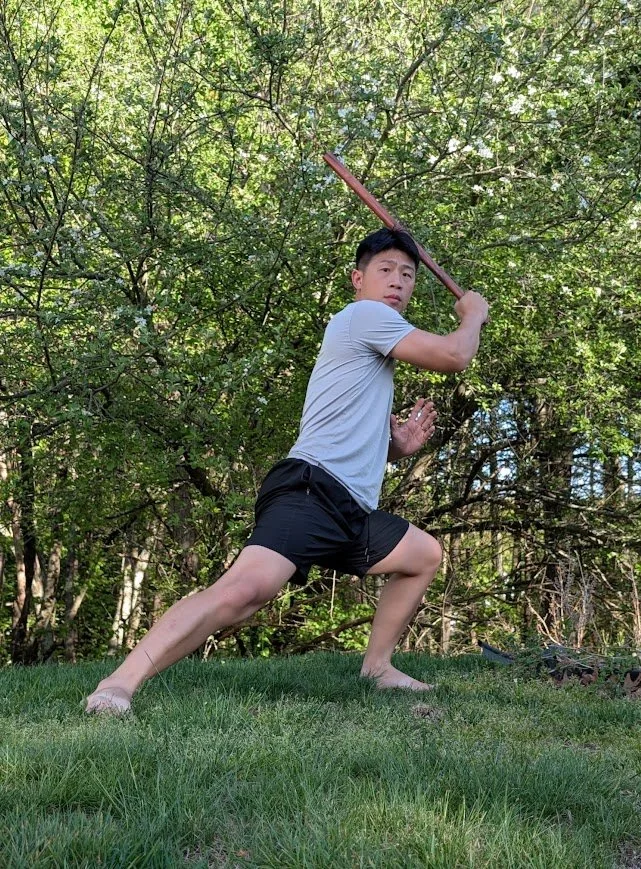
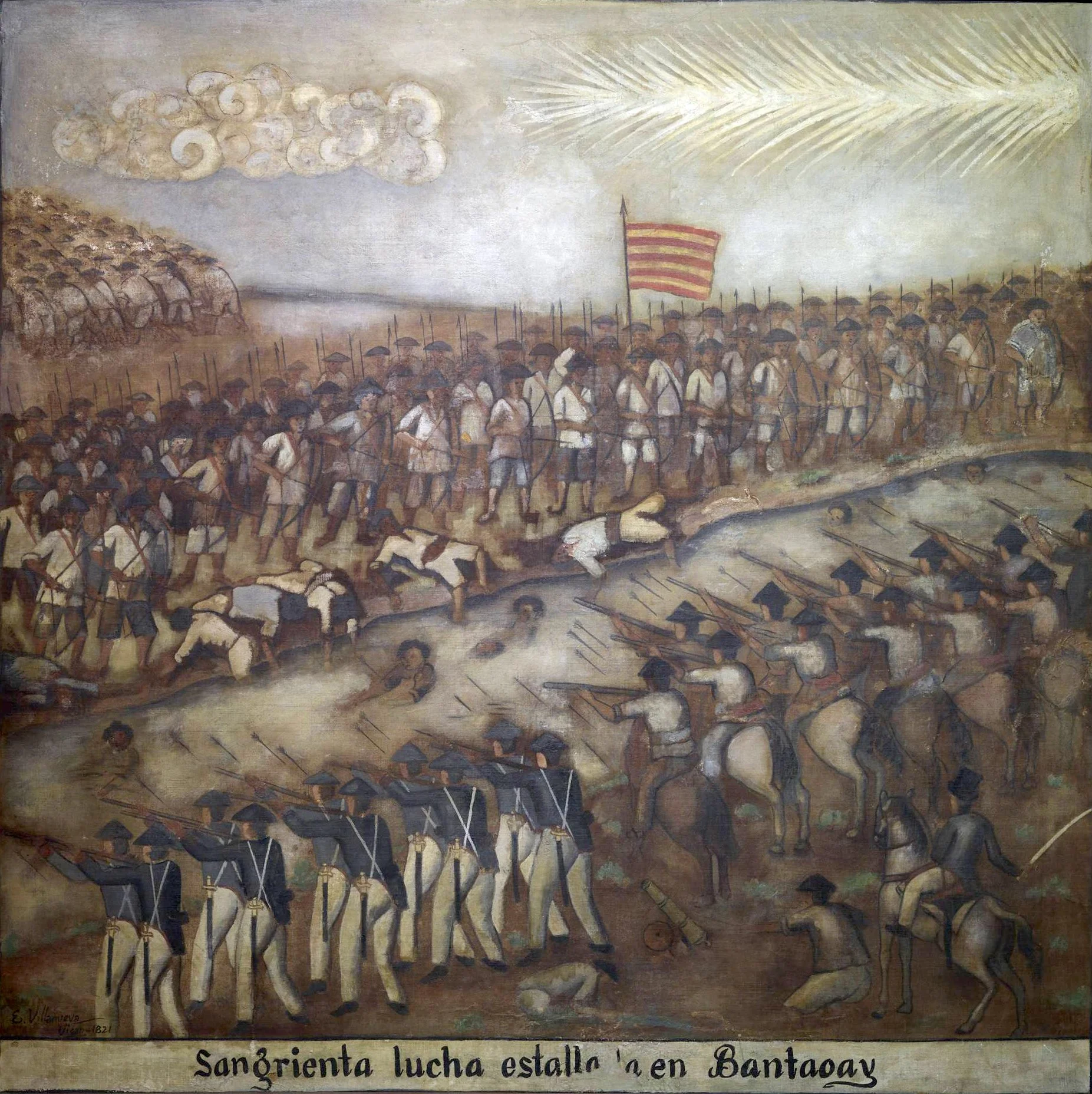
The ways of the blade and balila (sword-club, fighting stick) comprised the dueling and sidearm skill of these Luzon fighters - archery, spears and muskets would have been the main battle armaments. Kabaroan, pronounced (Ka-bar-wan), is the arnis/escrima of Iluko (Ilocano) peoples and closely related to the fighting arts of Pangasinan. Today, the Luzon methods of escrima / arnis are largely fading. Those who can afford good educations do not want to concern themselves with the lower-class or provincial fighting arts. The clans who have such skills often keep it in the family, thus lineages often keep their fighting skills a secret from the general populace. Modern stick-fighting formats do not cater to the Luzon way and the general audience for so-called tactical systems shies from hard physical work. That said some practitioners remain, and parts of Luzon still have their stylized forms of gentlemanly stick dueling.
Vincent Tseng’s main kabaroan teacher is Virgil Mayor Apostal. He is an Iluko (Ilocano) cultural torchbearer and his Didya 'Kabarwánan (escrima system) is formulated from the various Iluko elders he learned from and his immersion in the culture, history and healing practices of his homeland. One of Vincent’s mentors is Franz Jundis, whose teacher has learned from various old timers in the homeland as well.
Let the Blade be your Teacher
Most Luzon blades are NOT meant to be used in a fast, “tapi tapi” way that we are used to seeing in the light rattan stick fighting popular today. Vincent’s FMA mentors stress the importance of handling the originals or proper reproductions of the bolos and swords and employing the right movements. The blades and their ergonomics were designed and refined through generations of use for a certain movement. He is still exploring this and very much in the early stages of his journey. To reinforce the teachings of his mentors, he’s letting the blades be his Teachers as well.
My Motivations
Since my teenage years I had been interested in the Philippines. I was enamored by its weapons, the history of its people and the ferocity of the fighting skills. Inspired by the stories from the Filipino Revolution and conflicts before that, I was always interested in someday learning Filipino Martial Arts. Today I am married to an American Filipina whose lineage hails from the Tagalog lands surrounding Manila and the province of Pangasinan. I sincerely hope, with me learning kabaroan, my children and others will have the opportunity to learn, embody, use and enjoy this formidable and deeply culturally-rooted fighting method - and prevent it from completely fading from the Filipino consciousness. Who knows, maybe it will see a resurgence.